When we look at trees, we’re not just seeing part of the landscape — we’re standing in the presence of some of the oldest living organisms on Earth. Certain species, like the Great Basin bristlecone pine, include individuals that are over 4,800 years old. That means some of these trees were already ancient when the pyramids of Egypt were being built.
Trees have survived ice ages, volcanic eruptions, droughts, and shifting continents. Their secret lies in their remarkable resilience. They grow slowly, adapt carefully to harsh climates, and can enter periods of dormancy to conserve energy when conditions are tough.
Even more fascinating, trees don’t just survive — they communicate and cooperate. Through underground fungal networks, often called the “Wood Wide Web,” trees can share nutrients and send chemical signals to warn neighboring trees about pests or disease.
And here’s another remarkable fact: some tree species, like the quaking aspen, can reproduce by cloning themselves through their root systems. This creates massive, connected organisms that may look like forests but are actually a single living being. One famous example, known as Pando, is estimated to be thousands of years old and is considered one of the largest living organisms on Earth by mass.
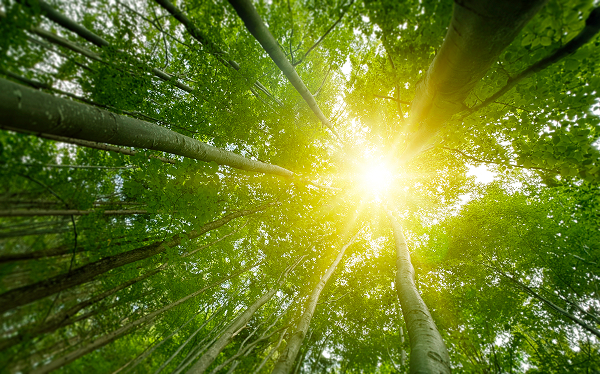
So when you see a forest, you’re not just seeing trees — you’re witnessing ancient life forms that have quietly shaped our planet for millennia.